
Food security and nutrition: greenhouses for women economic empowerment
Why nutrition and agriculture are connected
Agriculture and nutrition are closely interconnected. When farming systems are productive, diversified and resilient, they contribute directly to healthier diets and stronger households. Regular agricultural production allows families to access fresh and nutritious foods throughout the year, including vegetables, fruits and other nutrient rich products that are essential for balanced diets.
Diversified farming systems also play a critical role in improving nutrition. When farmers cultivate a range of crops rather than relying on a single product, households benefit from a wider variety of foods that provide essential vitamins, minerals and proteins. This diversity helps reduce malnutrition, strengthens immune systems and supports the healthy growth and development of children.
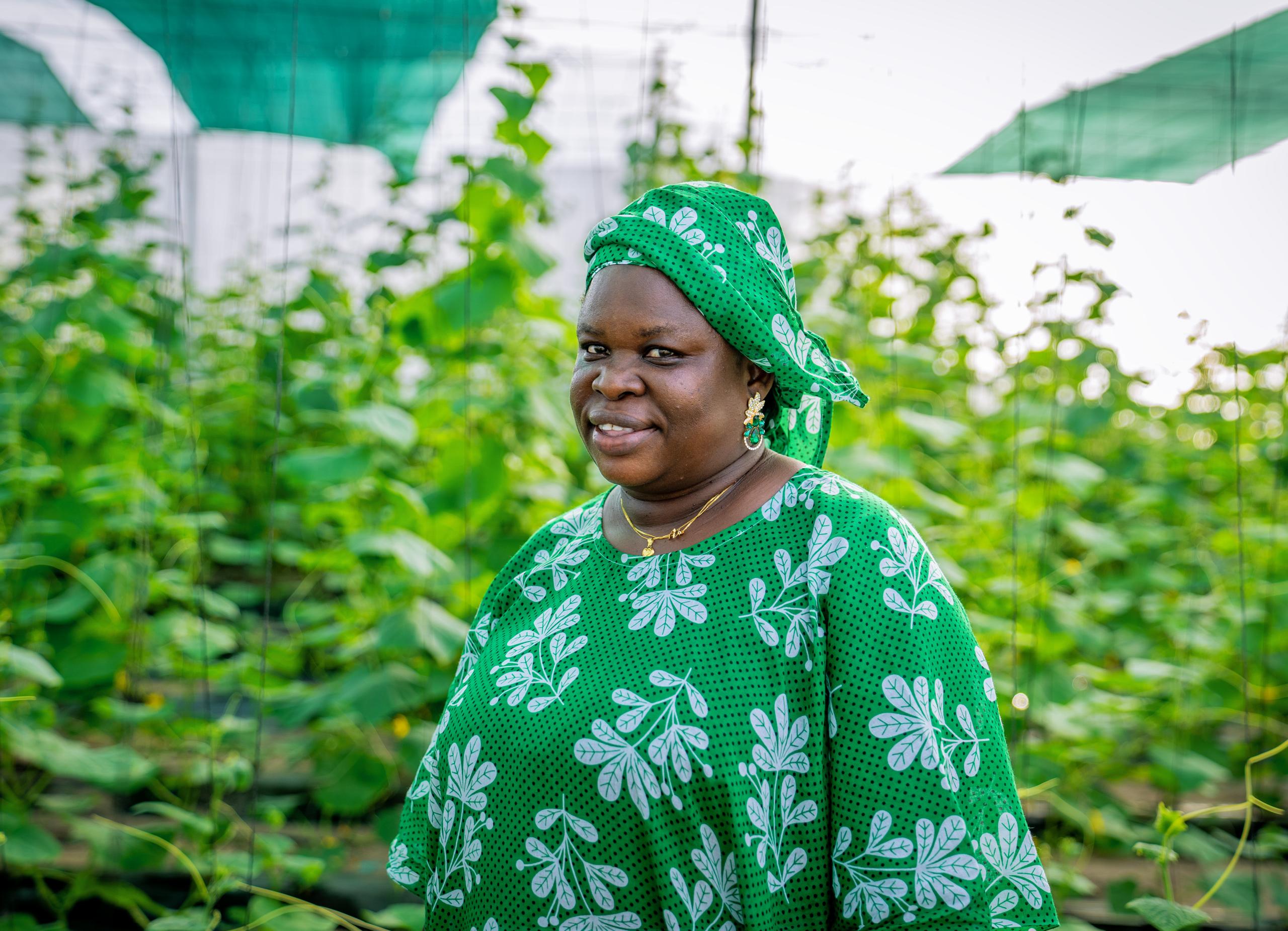
Greenhouse agriculture further strengthens this connection between agriculture and nutrition. By enabling controlled production conditions, greenhouses allow farmers to grow high value horticultural crops throughout the year, including during dry seasons or periods of climate stress. This continuous production of vegetables such as tomatoes, peppers and leafy greens increases the availability of fresh, nutritious foods for farming households and surrounding communities.
Greenhouses also improve the quality and reliability of production. With better control over water use, pests and growing conditions, farmers can produce healthier crops with higher nutritional value while reducing the risks associated with climate variability. For women’s groups in particular, greenhouse production creates opportunities to generate stable incomes while simultaneously improving the diversity and quality of food available to their families.
Impact on children?
Improved agricultural production has a direct and measurable impact on the wellbeing of children. When households have reliable access to nutritious foods, children benefit from more regular and balanced diets that support their physical growth, cognitive development and overall health. Consistent access to vegetables, fruits and other nutrient rich foods helps provide the vitamins, minerals and proteins that are essential during the early stages of life.
Greater food availability within farming households also reduces the risk of undernutrition and micronutrient deficiencies. Diets that include a wider diversity of foods contribute to stronger immune systems, better resistance to illness and improved school attendance, as healthier children are less likely to suffer from nutrition related health problems.
Climate resilient agricultural systems, including greenhouse production, play an important role in sustaining this positive impact. By enabling year round production of vegetables and horticultural crops, greenhouses help ensure that nutritious foods remain available even during dry seasons or periods of climate variability. This stability strengthens household food security and helps maintain consistent nutrition for children throughout the year.